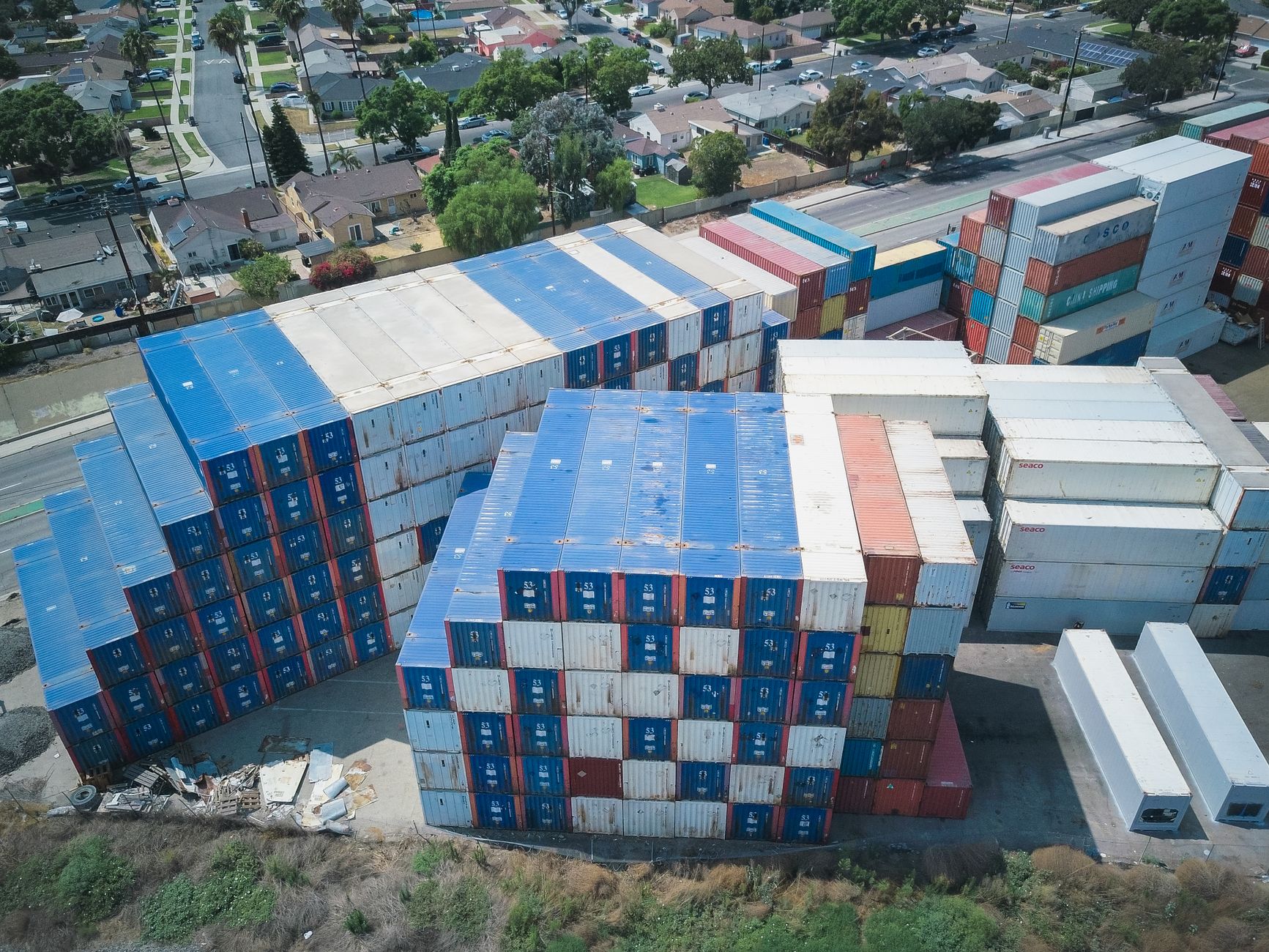
A portable storage container can make a move, renovation, cleanup, or temporary storage project far more manageable. It arrives at your property, stays where you need it, and can be picked up when the work is done. That convenience also raises a practical question before delivery day: is it okay to place a large container in a driveway, yard, parking area, or on the street without permission?
The honest answer is that it depends on where the container will sit, how long it will remain there, and which rules apply to the property. A container located entirely on private property may be treated very differently from one placed in a public right-of-way. Local municipal codes, neighborhood association rules, rental agreements, and safety requirements can all matter. A little planning before scheduling delivery can prevent a stressful call, a forced relocation, or an unexpected fine.
The location matters more than the container itself
Most permit questions start with a simple distinction: private property versus public property. A container placed in a private driveway is often subject to fewer government requirements than one placed on a public street. Still, “private driveway” does not automatically mean unrestricted. Some communities regulate the length of time temporary storage units may remain visible, require setbacks from sidewalks, or prohibit them in certain front-yard areas.
A container that extends into a street, blocks a parking lane, covers a sidewalk, or occupies a public easement is much more likely to require a permit. Public space is managed for vehicle access, pedestrian safety, emergency response, snow removal where applicable, drainage, and utility access. Even if neighbors routinely park in the street, a storage container is a larger, longer-lasting obstruction and may be handled under a separate permit process.
Private driveways can still have restrictions
Before assuming a driveway solves every issue, look at the full placement plan. The container should not block a sidewalk, hang over a curb, prevent a vehicle from exiting safely, or interfere with a shared access lane. It also needs a stable, reasonably level surface. Delivery drivers need enough room to maneuver safely, and the container needs enough clearance to be set down without striking trees, fences, power lines, gutters, or parked cars.
Municipal rules may describe portable containers as temporary structures, storage units, construction equipment, or movable storage. The terminology varies, which is why a quick call to the local permitting, code enforcement, or public works office is more useful than relying on what a nearby town does. Ask directly whether a portable storage container is allowed on a residential driveway, whether an application is needed, and whether there is a maximum placement period.
Street placement usually calls for a closer look
If there is no usable driveway, street placement may be the only practical option. In that situation, contact the city, town, county, or local public works department before arranging the drop-off. Some jurisdictions issue temporary right-of-way or street occupancy permits. Others limit placement to certain streets, prohibit it in downtown areas, require reflective markers, or restrict how close a unit may be to intersections, fire hydrants, driveways, and crosswalks.
Do not rely on a verbal assumption that a permit is unnecessary. Ask what documentation is required, whether the permit must be displayed, and whether the delivery company needs a copy. It is also smart to ask about the exact footprint allowed. A container may fit physically in a parking lane but still be too close to a corner or emergency access point under local rules. Getting those details in advance protects both the project schedule and the neighborhood.
Homeowners associations and landlords may set separate rules
Government approval is only one layer of the decision. If the property is in a homeowners association, condominium community, or planned development, review the association documents before delivery. Associations can regulate where temporary containers are placed, how long they remain, whether they can be visible from the street, and whether advance architectural approval is needed. These restrictions may apply even when the municipality has no permit requirement.
Renters should also check their lease and speak with the property owner or manager. A landlord may be responsible for exterior-property compliance, or the lease may prohibit blocking parking spaces and common areas. For multifamily properties, there may be limited loading zones, designated delivery times, or rules intended to preserve access for all residents. Written permission is especially helpful when the container will be in a shared driveway or parking lot.
Renovation projects bring additional considerations
A portable container is often part of a larger home improvement project, and the renovation itself may involve permits. A building permit for interior work does not necessarily authorize a container in the street, and a street permit does not make the renovation permit optional. Treat each approval as separate unless the local office specifically confirms that one application covers both activities.
Construction activity can also create access concerns. Keep clear paths for workers, deliveries, waste collection, and emergency vehicles. If the project includes roof work, tree removal, exterior painting, or material deliveries, think through the order of operations before the container arrives. The best location is not just the closest one to the house. It is the one that allows safe loading while keeping work areas, exits, drainage routes, and neighboring properties unobstructed.
Timing affects whether a permit becomes necessary
Many local rules distinguish between a short-term delivery and a unit that remains on site for an extended period. A container used for a weekend move may be treated differently than one stored in a driveway during a lengthy renovation. If your schedule is uncertain, ask about the maximum allowed duration and whether an extension is available. It is easier to request more time before a deadline than after receiving a notice.
Build a buffer into the plan. Moving dates can change because of weather, settlement delays, contractor schedules, or a need to sort more belongings than expected. A realistic pickup date reduces the temptation to leave the container beyond the permitted period. It also helps to confirm how much notice the provider needs for pickup, particularly during busy moving seasons or when access to the property may be temporarily limited by other work.
How to ask the right questions before delivery
When contacting a local office, provide enough detail for a useful answer. Explain whether the container will be on a driveway, lawn, private parking lot, or street. Mention the approximate duration, the neighborhood or address, and whether it will occupy any public space. Ask whether there are required distances from intersections, hydrants, sidewalks, utility equipment, or neighboring driveways. Also ask whether the rules differ for residential and commercial properties.
Keep a record of whom you spoke with, the date of the conversation, and any instructions provided. If an online permit portal is available, save the confirmation and any approval documents. This is not about creating unnecessary paperwork. It is about having clear information if a neighbor, inspector, property manager, or delivery driver raises a question. Clear communication makes the delivery process smoother for everyone involved.
Choose a placement area with safety in mind
Permits are important, but safe placement deserves equal attention. Select a hard, level surface whenever possible. Soft ground can become unstable, especially after rain, and a slope can make loading awkward or unsafe. Avoid placing a container over septic components, irrigation heads, fragile pavers, or areas with uncertain underground conditions. If a driveway has a weight limit or a delicate surface, discuss that concern with the delivery provider before booking.
Look up as well as down. Low branches, overhead wires, roof overhangs, and utility lines can affect delivery and pickup. Do not assume a driver can work around every obstacle. Make sure gates are open, vehicles are moved, and the approach is clear at the scheduled time. Inside the container, distribute weight evenly, keep heavier items low, and avoid stacking belongings in a way that could shift when the doors are opened.
Delaware residents should verify the rule where they live
Rules can differ from one Delaware community to another, so it is worth checking locally rather than applying a rule from a neighboring area. Anyone planning to rent a portable moving container in Delaware can begin by deciding whether a driveway placement is feasible. If not, make the permit question part of the planning process before selecting a delivery date.
For a move in or around Bear, the service and delivery conversation is also a useful time to discuss access, surface conditions, and the practical dimensions of the intended placement area. People comparing portable storage containers for moving Bear, DE should measure the driveway and approach in advance, then confirm local street-use requirements if private placement will not work.
Delivery access deserves a separate planning check
Even when a permit is not required, a location may not be accessible for delivery. Narrow streets, sharp turns, low-hanging limbs, crowded cul-de-sacs, and tightly parked vehicles can complicate the process. Measure the intended location, but also consider the route a delivery vehicle must take to reach it. A good delivery plan considers turning room, clearance, and whether nearby vehicles can be temporarily moved.
For properties in denser areas, it may help to talk through the site plan before finalizing an order. Those researching portable storage units for rent in Wilmington, DE can use this same approach: determine the intended location, verify local rules, and make sure the driver will have a clear, safe route. This preparation is particularly valuable where street parking and shared driveways limit available space.
Talk to neighbors before the container arrives
A quick conversation with nearby neighbors can prevent unnecessary friction. Let them know the expected delivery and pickup window, especially if the container will be visible from their home or affect shared parking. This is a considerate step that can head off confusion, though it does not replace a permit or formal approval. Neighbors may also point out routine service days, school traffic, or access issues you had not considered.
Pay close attention to shared spaces. A container should never block another resident’s driveway, a mail delivery area, trash pickup access, or a commonly used walkway. If a project requires brief street occupancy, avoid making assumptions about parking spaces in front of someone else’s home. Thoughtful placement supports good neighbor relationships and lowers the chance that a temporary project becomes a source of complaints.
A simple pre-delivery checklist keeps projects on track
Before the container is scheduled, confirm the intended location and identify whether any part of it touches a public street, sidewalk, or easement. Check with the applicable local office, property owner, and association if relevant. Review permit timing, display requirements, duration limits, and placement restrictions. Then inspect the space for surface stability, clearance, gates, vehicles, branches, wires, and other obstacles that could affect delivery.
Finally, plan for removal as carefully as delivery. Keep the access route open on pickup day, avoid overfilling the container, and make sure its doors can be closed securely. A portable storage container is meant to make a major task simpler. Checking the rules first, choosing a safe location, and communicating with the people affected by the placement are the practical steps that help it do exactly that.
City guides
Water damage, city by city
New York City
The restoration process, the city rules that apply, what it costs and how insurance responds.
Buffalo
Common causes on the lake, the restoration process, costs, claims and prevention.
Rochester
Choosing a restoration company, costs and claims, and mold prevention.
Yonkers
The process, insurance claims, mold remediation, pricing and prevention.
Syracuse
Services, the process step by step, costs, claims and choosing a company.
Albany
What restoration involves in Albany and how the work is organized.